 English
 Español
 عربى
عربى 中文简体
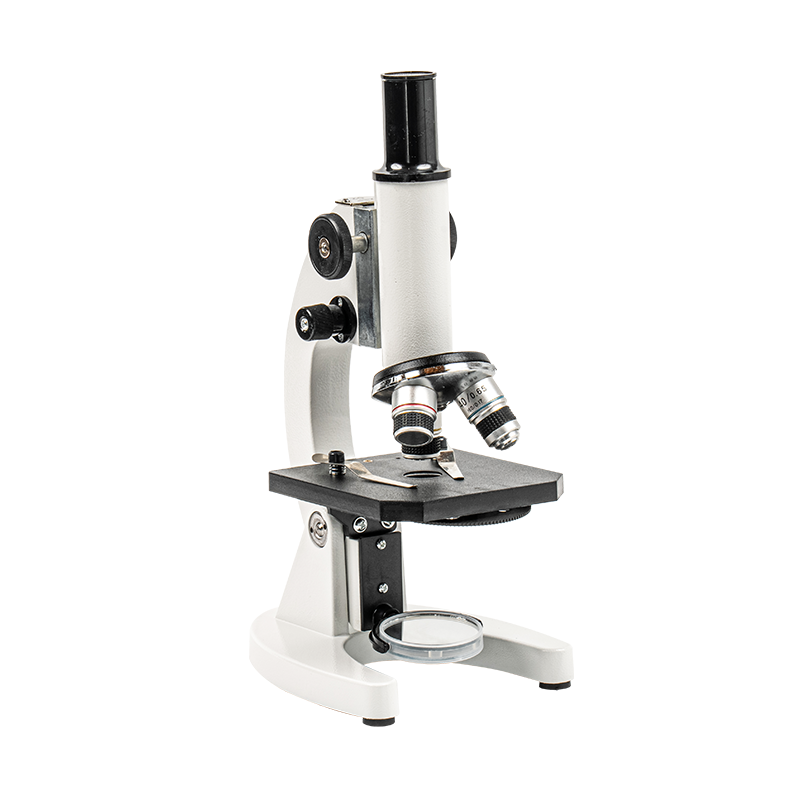
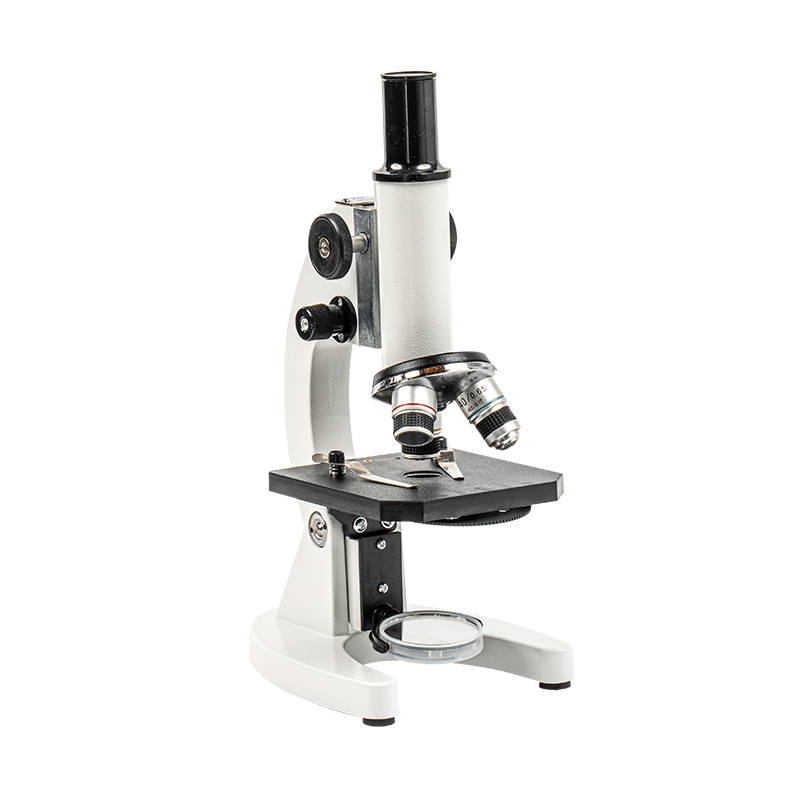
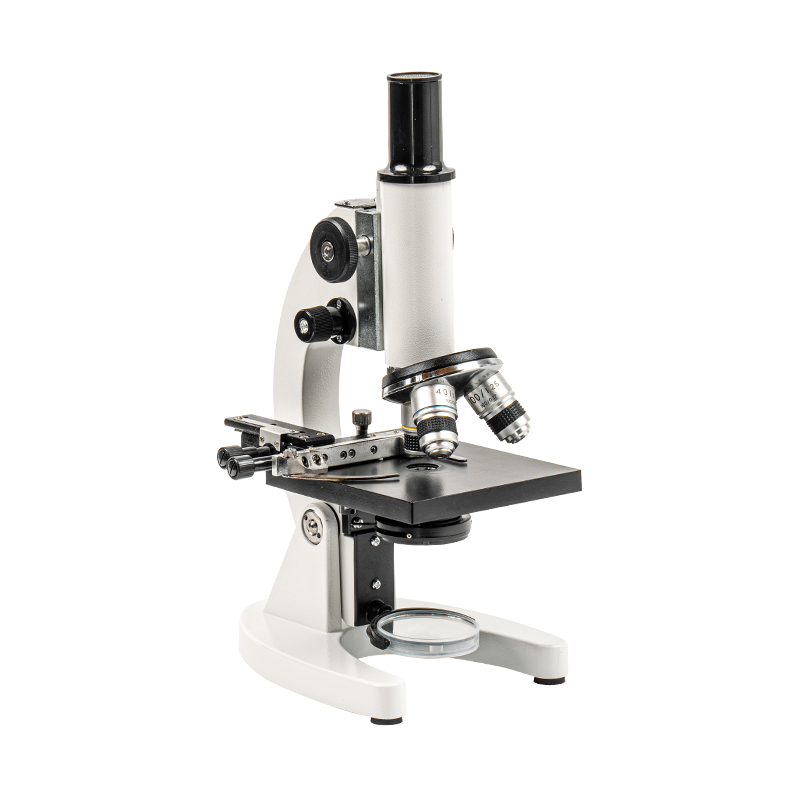
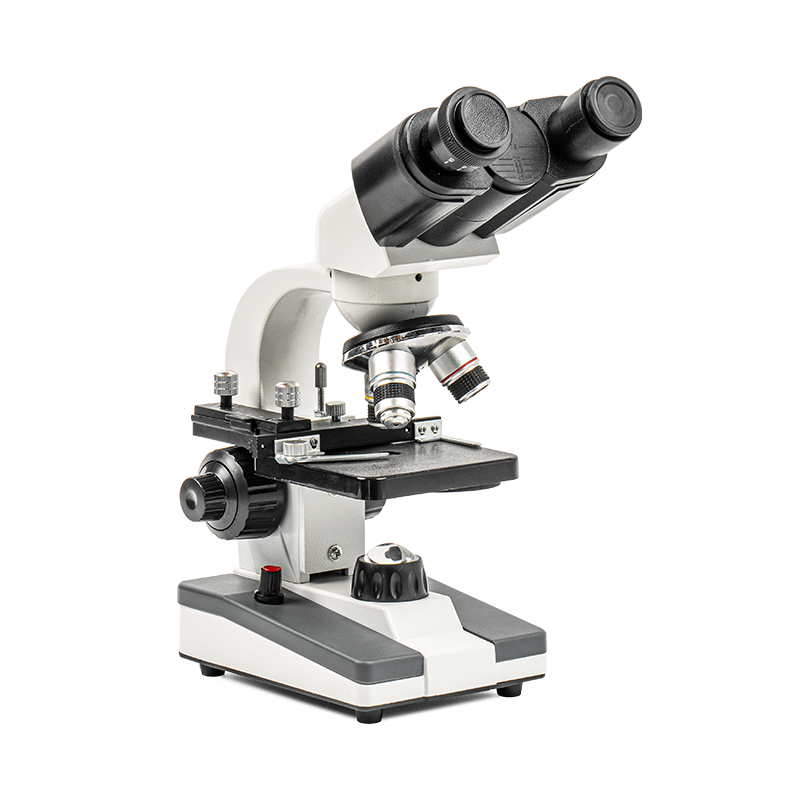
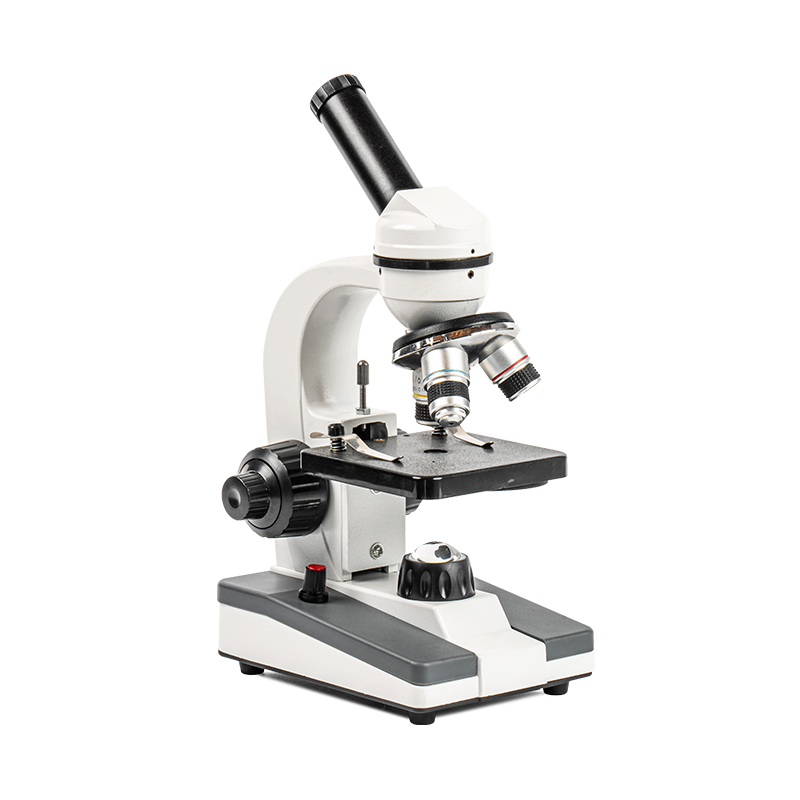
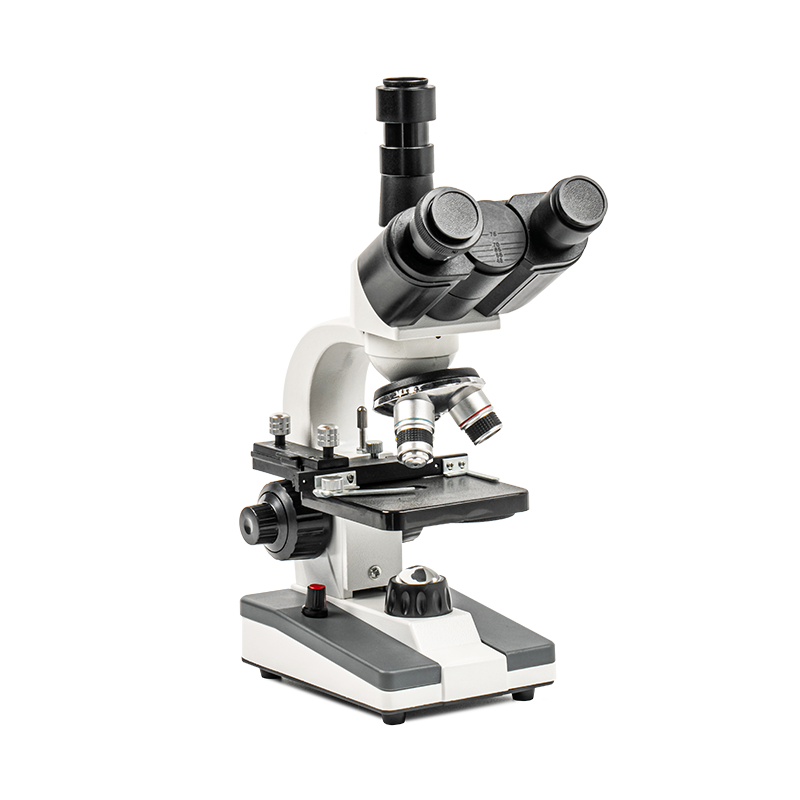
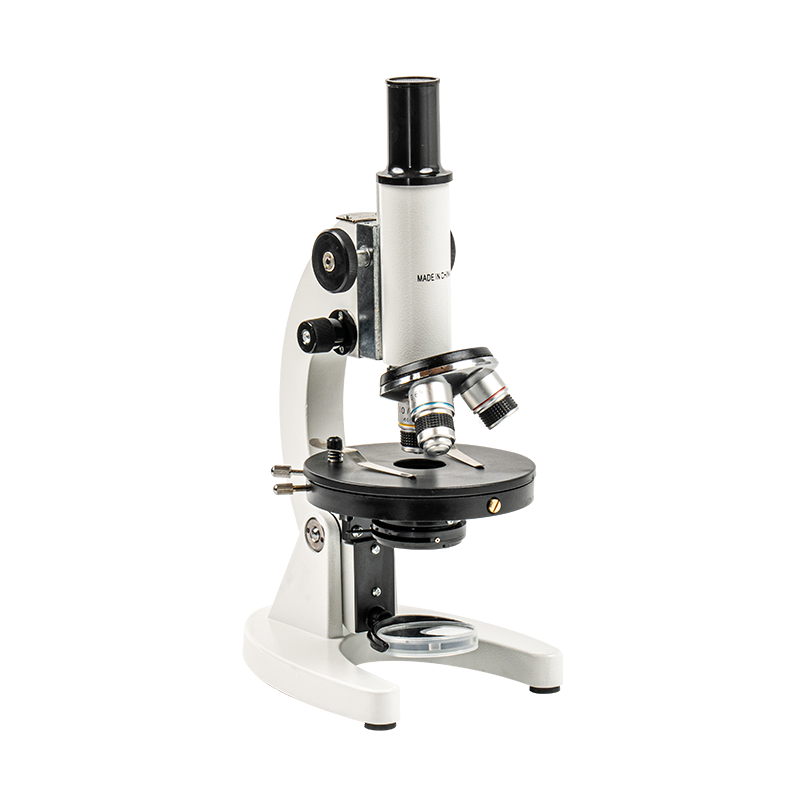
中文简体As parents and educators seek ways to encourage children’s curiosity and foster a love for learning, one of the best tools to help young minds explore the world is the microscope for kids. Whether it's for a birthday, holiday, or a special achievement, a children's microscope is an excellent gift that not only sparks interest in science but also provides hours of educational fun.
Content
- 1 Encouraging Curiosity and Discovery
- 2 Hands-On Learning and STEM Skills
- 3 Inspiring Future Scientists and Innovators
- 4 Developing Fine Motor and Observation Skills
- 5 A Fun Way to Learn About Science
- 6 Building Patience and Focus
- 7 Promoting Creativity and Experimentation
- 8 Enhancing Social Learning
- 9 A Gift That Grows with the Child
- 10 Affordable and Accessible
Encouraging Curiosity and Discovery
Curiosity is one of the driving forces behind learning, and a microscope is a fantastic way to nurture this innate trait in children. Children are naturally curious, constantly asking questions about the world around them. A microscope allows them to explore the invisible world they can’t see with their eyes, which opens up a whole new universe of discovery. Whether it’s looking at a drop of water, a leaf, or even the details of their own hair, a microscope helps children see the unseen, making learning fun and engaging.
By introducing a microscope early on, kids can explore various natural elements like plants, insects, and microorganisms, all while developing a deeper understanding of the world around them. This can spark a lifelong interest in science and the natural world, nurturing their scientific curiosity as they grow.
Hands-On Learning and STEM Skills
In today’s fast-paced, technology-driven world, it’s becoming more important than ever to integrate STEM (Science, Technology, Engineering, and Mathematics) education into children’s lives. A microscope for kids provides hands-on learning that encourages experimentation, observation, and problem-solving—key aspects of STEM education. Children who regularly use a microscope begin to understand key scientific concepts like magnification, cellular structures, and biological diversity.
Through microscope-based activities, kids develop important critical thinking and fine motor skills, as they learn how to focus, adjust magnification, and analyze what they see under the lens. Additionally, it fosters a sense of achievement when they successfully identify something new. Whether they are looking at plant cells or insect anatomy, these discoveries can help instill confidence in their abilities and encourage a deeper connection with the sciences.
Inspiring Future Scientists and Innovators
Microscopes introduce children to the world of scientific inquiry. As young learners observe microscopic objects, they are not only developing practical skills but also being introduced to scientific methods like observation, hypothesis testing, and data collection. These are essential skills for future innovators, researchers, and even inventors.
When children become familiar with scientific equipment early on, they are more likely to pursue careers in STEM fields as they grow. A microscope provides a gateway to fields like biology, chemistry, and environmental science, inspiring children to ask questions and find answers. The excitement of discovery at a young age can help shape their educational trajectory and create a strong foundation for future academic success.
Developing Fine Motor and Observation Skills
Using a microscope requires the coordination of both hands and eyes, which is excellent for developing a child’s fine motor skills. These skills, such as adjusting focus and positioning the sample on the slide, help improve hand-eye coordination and dexterity, which are crucial for everyday tasks. As kids get accustomed to using a microscope, they learn how to carefully handle objects and pay attention to minute details.
Moreover, children learn to observe closely and carefully, an important skill for critical thinking and problem-solving. The ability to notice patterns, details, and differences can help them in various academic areas, from reading comprehension to mathematical reasoning. These skills will support their overall cognitive development and contribute to their growth as capable learners.
A Fun Way to Learn About Science
Let’s face it—kids love to have fun while they learn. A microscope for kids transforms science from something abstract to something tangible and exciting. Instead of reading about cells or microorganisms in a textbook, children can view them firsthand, which makes the learning experience much more engaging and enjoyable.
By observing different specimens—such as flowers, leaves, sand grains, or even human hair—children can relate to the material in a more personal way. The thrill of discovering something new and unexpected under the lens is a powerful motivator that keeps kids coming back for more. Additionally, many kid-friendly microscopes come with fun accessories, such as prepared slides or interactive activity guides, that make learning even more entertaining.
Building Patience and Focus
Using a microscope requires concentration and patience. Children must carefully focus the microscope, adjust the lighting, and position the slides properly to get a clear view. These tasks require patience and a level of perseverance, qualities that can sometimes be overlooked in today’s fast-paced world. A microscope helps children slow down, pay attention to the details, and follow through with the task at hand.
In addition to the technical aspects of using the microscope, children also need to learn how to handle delicate specimens with care. This teaches them the importance of responsibility and respect for the materials they are working with, further enhancing their overall development.
Promoting Creativity and Experimentation
While microscopes are often associated with the study of biology, they can also promote creativity. As children explore different materials under the lens, they can experiment with various objects, creating their own experiments to observe how different samples react under magnification.
For example, a child might wonder what happens when they look at different liquids under the microscope or how a crystal forms over time. These experiments not only provide insight into scientific principles but also encourage children to ask “what if” questions—an essential part of the scientific process. This type of open-ended exploration promotes creative thinking and helps children develop an inquisitive mindset.
Enhancing Social Learning
Microscopes are not just individual learning tools; they can also be used in group settings. When children explore specimens with others, they can share their findings, discuss their observations, and learn from each other. This fosters collaborative learning and helps develop essential social skills like communication, teamwork, and problem-solving.
Science clubs, school projects, or family activities that involve a microscope encourage children to collaborate and share their curiosity. Working together to observe and analyze different specimens helps build relationships and encourages a supportive learning environment.
A Gift That Grows with the Child
One of the most significant advantages of a microscope for kids is its ability to grow with the child. Basic models are perfect for younger children, offering simple magnification and easy-to-use features. As the child grows and becomes more familiar with the tool, they can transition to more advanced models with higher magnification levels, better lenses, and additional features.
A microscope can evolve from a simple toy into a serious educational tool, providing years of learning and exploration. The initial excitement of receiving the gift can last for months or even years as children continue to discover new things under the microscope. This longevity makes it a worthwhile investment in your child’s education.
Affordable and Accessible
In today’s market, there are a wide range of microscopes available for children, with prices that vary depending on features and quality. While some high-end models may be expensive, many excellent microscopes for kids are available at affordable prices, making them accessible to a broad range of families.
Moreover, the educational value of a microscope far outweighs its initial cost, especially when you consider how much children can learn and explore with it over time. Given the growing focus on STEM education and the increasing availability of budget-friendly educational tools, a microscope is a smart choice for parents looking for an enriching gift for their child.