 English
 Español
 عربى
عربى 中文简体
中文简体Monocular microscopes are essential tools in scientific research, education, and hobbyist exploration. Whether you are a student, a researcher, or simply someone interested in observing the microscopic world, choosing the right monocular microscope can significantly impact the quality of your observations. With numerous models and features available on the market, it can be challenging to determine which monocular microscope is the best fit for your needs.
Content
What is a Monocular Microscope?
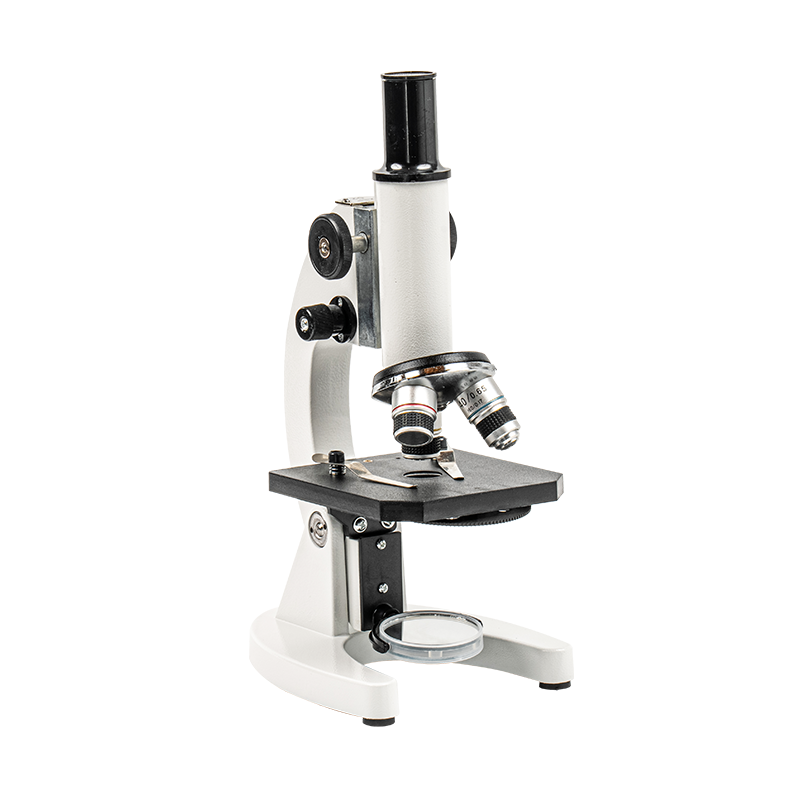
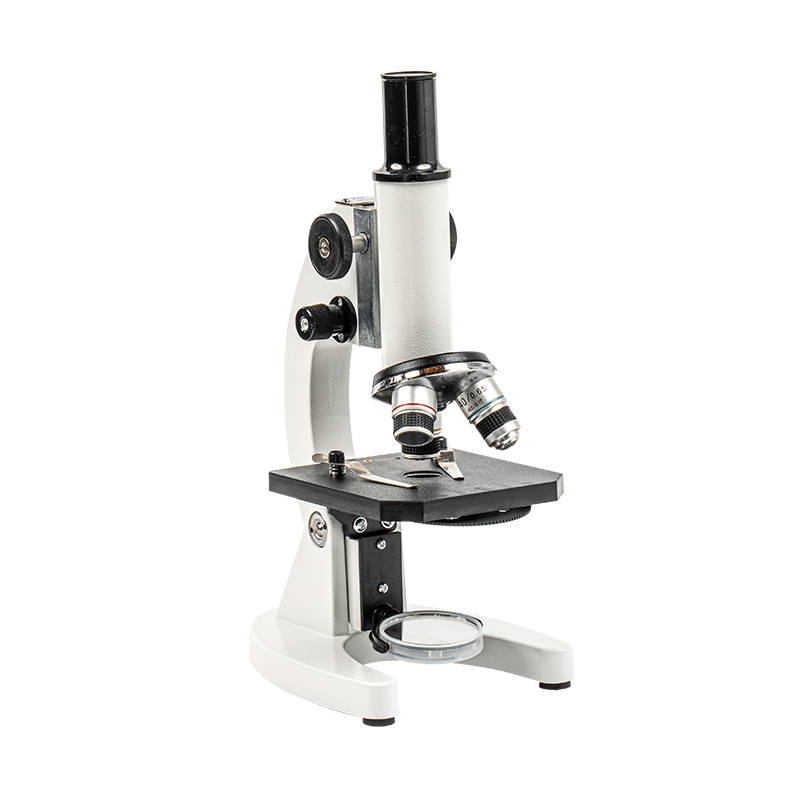
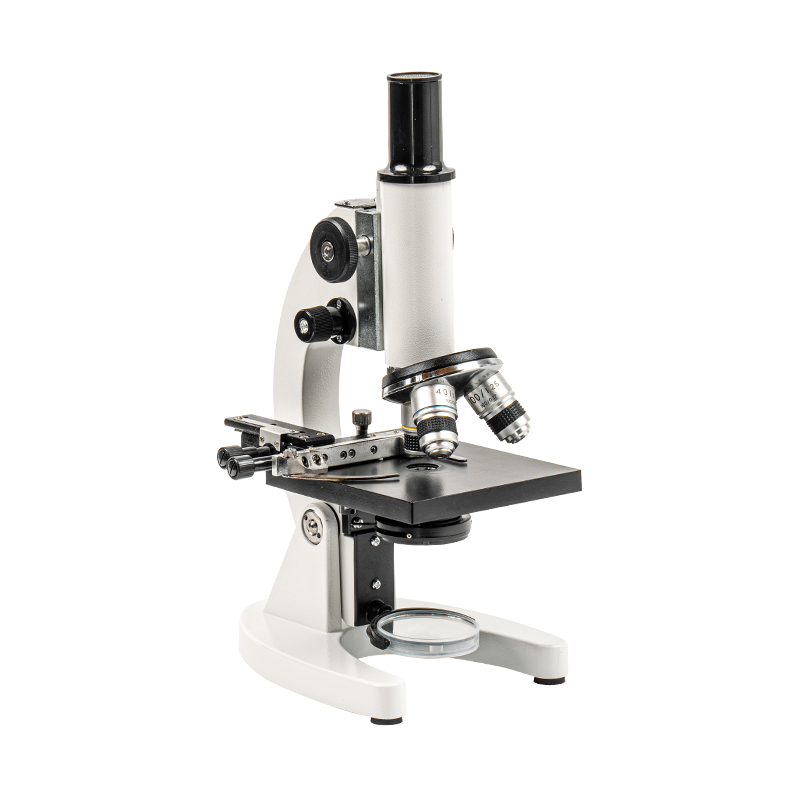
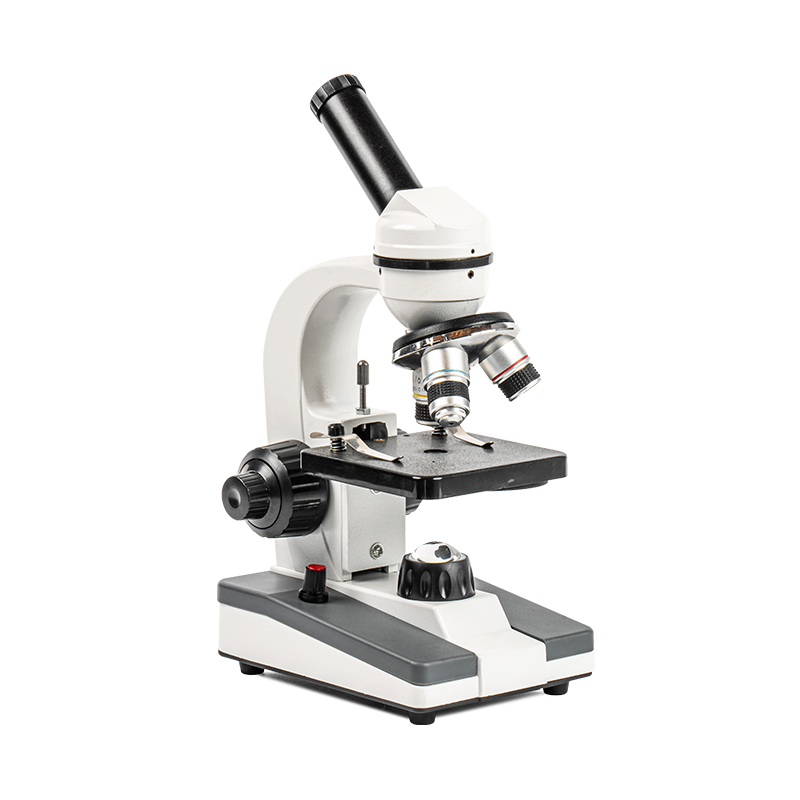
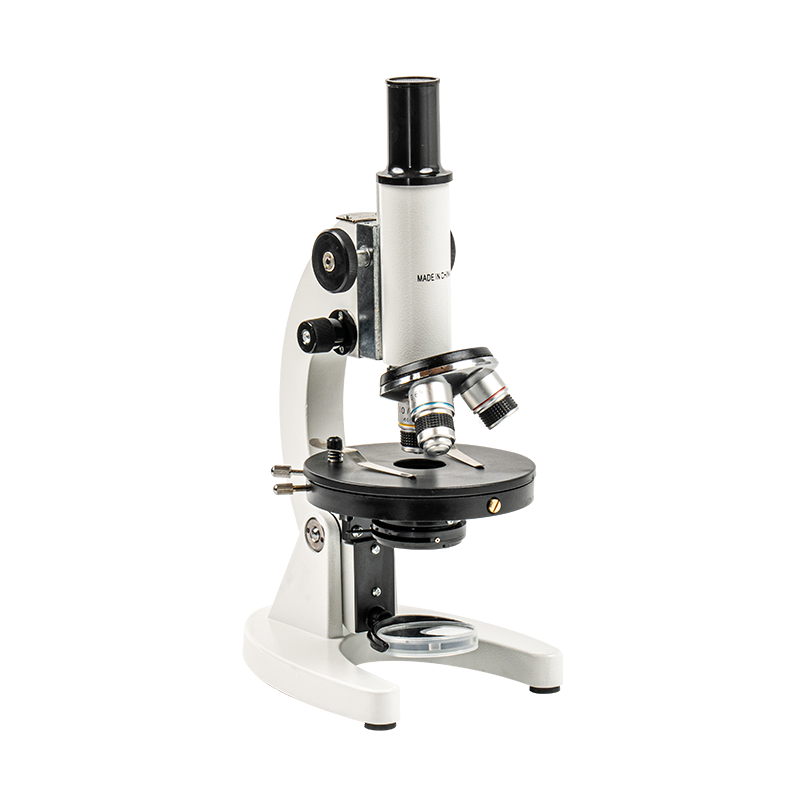
A monocular microscope is a type of microscope that features a single eyepiece, allowing the user to view the specimen through one eye. It is one of the most common types of microscopes used in classrooms, laboratories, and homes. Monocular microscopes are often more affordable and simpler to use compared to binocular or more advanced models, making them an excellent choice for beginners and casual users.
The monocular design provides the advantage of being compact and lightweight, which makes it portable and easy to handle. While monocular microscopes may not offer the depth perception provided by binocular models, they are still capable of delivering high-quality magnification and clarity for most educational and research purposes.
Key Factors to Consider When Choosing a Monocular Microscope
Magnification Power
Magnification is one of the most important features to consider when selecting a monocular microscope. It determines how much larger the specimen will appear and is typically represented as a number followed by an "x," such as 40x, 100x, or 400x.
Monocular microscopes generally offer a range of magnification powers, with many models featuring multiple objectives that allow users to change magnification levels. This is particularly useful for observing different types of specimens that require varying levels of detail. Common magnification ranges for monocular microscopes are:
- Low magnification (40x - 100x): Ideal for viewing large specimens such as insects, plants, or basic biological samples.
- Medium magnification (100x - 400x): Suitable for cellular structures, tissues, and basic microbiology.
- High magnification (400x - 1000x): Best for observing bacteria, viruses, or other fine cellular details.
For most general educational purposes, a monocular microscope with a magnification range of 40x to 400x is usually sufficient.
Optical Quality
The quality of the optics (lenses and eyepiece) is another critical factor in selecting the best monocular microscope. The optical system affects the clarity, sharpness, and brightness of the image you see through the eyepiece.
- Objective Lenses: The objective lenses are the primary lenses that provide magnification. They are typically made from glass or other high-quality materials that offer superior clarity. Look for models with achromatic or plan objectives, as they provide clearer images with minimal distortion.
- Eyepiece Lens: The eyepiece lens is the lens through which you view the specimen. It is usually marked as 10x or 20x. Higher magnification eyepieces provide better resolution, though they may be more challenging to focus.
For high-quality optics, choose microscopes that feature glass lenses over plastic ones, as glass lenses tend to deliver sharper and clearer images. Additionally, models with anti-reflective coatings on the lenses can help improve image contrast and brightness.
Illumination System
Proper illumination is essential for obtaining clear, bright images through a microscope. Most monocular microscopes come with built-in light sources, either from above (reflected light) or below (transmitted light), depending on the type of sample you are viewing.
- LED Light: Many modern monocular microscopes are equipped with LED lights. LED illumination provides a bright and even light source, and it is energy-efficient, reducing the need for frequent bulb replacements.
- Adjustable Light Intensity: Some microscopes come with adjustable light intensity settings, allowing you to control the brightness depending on the specimen and your needs.
- Condenser Lens: A condenser lens helps focus the light on the specimen for enhanced contrast and resolution. Higher-end models may include an adjustable condenser for more precise lighting control.
For more advanced applications, consider a microscope with an adjustable light source and a built-in condenser for better illumination.
Build Quality and Stability
The build quality of a monocular microscope is crucial for both durability and ease of use. Look for microscopes made from sturdy materials such as metal or high-quality plastic. A metal frame ensures long-lasting durability, while high-quality plastic can provide a lighter and more portable option.
- Base and Arm: Ensure that the microscope has a stable base and arm. A wobbly base can affect the clarity of your observations, so a solid, weighted base is important for maintaining stability during use.
- Focusing Mechanism: Monocular microscopes typically use a coarse and fine focusing mechanism to adjust the focus of the image. The focusing mechanism should be smooth and easy to use, allowing you to achieve sharp images with minimal effort.
In addition to stability, consider the overall ergonomics of the microscope. Ensure that the eyepiece is comfortable to use, especially if you plan on spending long hours using the microscope.
Adjustability and Comfort
Comfort and adjustability are key considerations, especially if you plan on using the microscope for extended periods. Look for models that feature:
- Adjustable eyepieces: If the eyepiece is adjustable, it allows you to customize the fit to your eyesight, making it easier to focus and view specimens comfortably.
- Adjustable arm and stage: An adjustable stage allows you to move your specimen horizontally or vertically for better positioning. Some microscopes also have rotating arms, enabling easy access to different angles.
- Ergonomic design: A comfortable grip and positioning of the eyepiece can make the experience of using the microscope more enjoyable, especially for students or hobbyists.
Portability
If you need a microscope for fieldwork or travel, portability will be an important factor. Look for a lightweight monocular microscope with a compact design. Some models come with carrying cases, making them easier to transport to various locations.
For portable models, prioritize those with a rechargeable battery if you plan on using them in places without access to a power outlet.
Price Range and Budget
Monocular microscopes come in a wide range of prices, and your budget will play a role in your choice. While basic models can be affordable, high-quality models with advanced features may cost more.
- Entry-Level Models: For educational purposes or casual use, entry-level monocular microscopes can cost anywhere between $30 to $100. These models are ideal for beginners and students who need a simple and affordable tool for basic observation.
- Mid-Range Models: For users seeking better optical quality and additional features, mid-range microscopes range from $100 to $300. These models typically offer higher magnification, better optics, and improved build quality.
- Professional Models: Advanced monocular microscopes with superior optics, lighting, and precision can cost upwards of $300. These are best suited for more serious researchers or professionals who need enhanced performance and longevity.
Determine your budget beforehand and choose a microscope that meets your needs without overspending on unnecessary features.
Brand and Warranty
When selecting a monocular microscope, consider well-established brands known for producing quality optical instruments. Leading brands often provide better customer support and product warranties, which can be important for troubleshooting or repairs.
Look for microscopes with at least a one-year warranty, ensuring that you are covered in case of manufacturing defects or issues.