 English
 Español
 عربى
عربى 中文简体
中文简体A compound binocular microscope is a powerful tool used in various fields, from biology and medicine to materials science and industrial testing. It allows users to examine small, detailed specimens at high magnification, offering a comprehensive view of objects that are invisible to the naked eye. Whether you're a student, researcher, or professional, selecting the right compound binocular microscope can significantly enhance your work, leading to more precise observations and better results.
Content
What is a Compound Binocular Microscope?
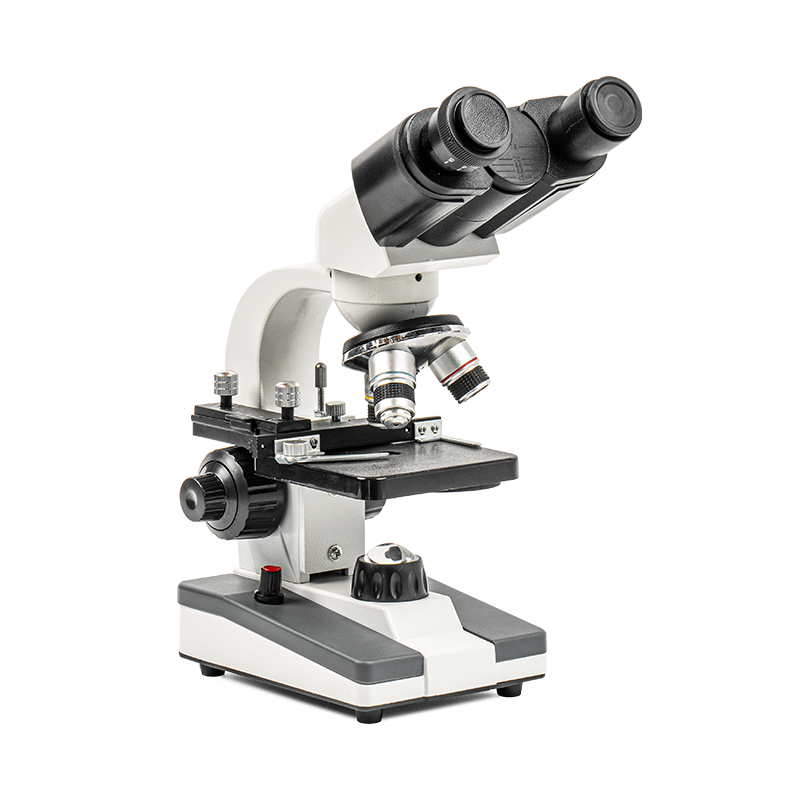
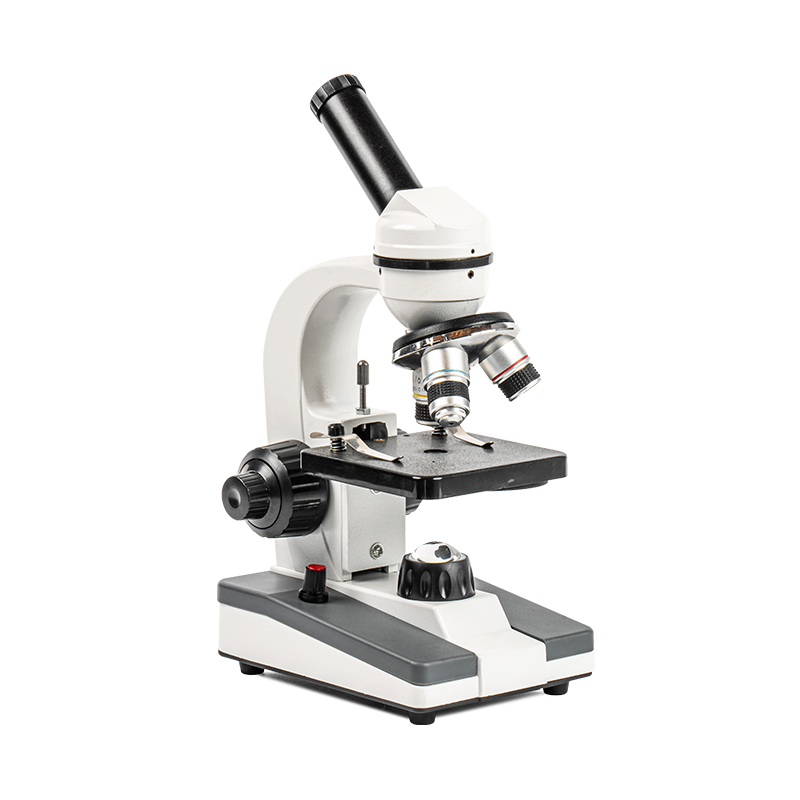
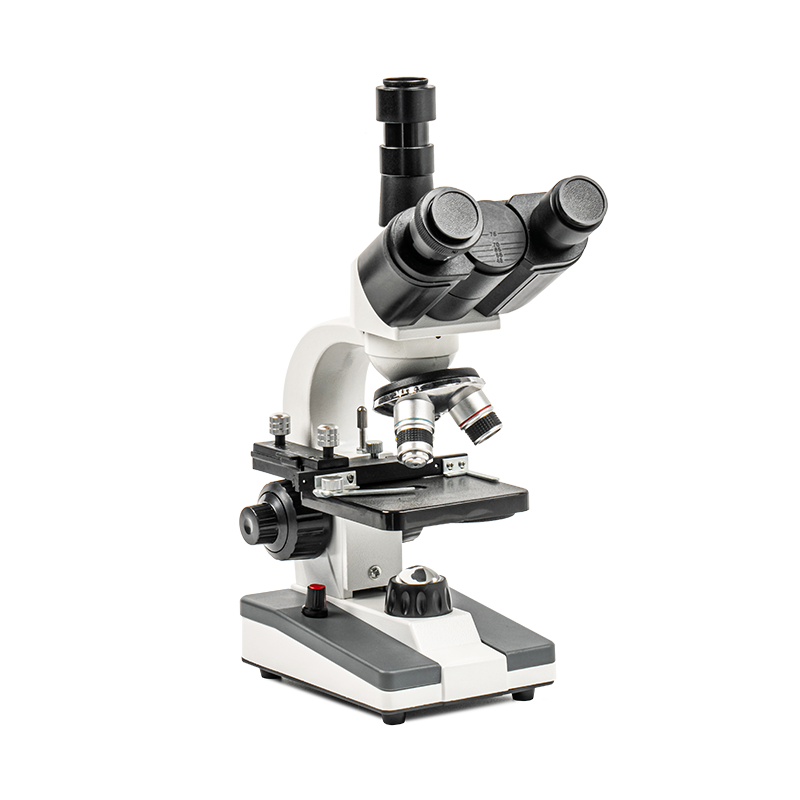
A compound binocular microscope is an optical instrument used to observe tiny objects or organisms. It features two eyepieces, allowing for binocular (two-eyed) viewing, which reduces eye strain compared to monocular microscopes. This type of microscope typically offers higher magnification than stereomicroscopes, making it ideal for studying cells, tissues, microorganisms, and other fine details in a variety of scientific disciplines.
Unlike simpler microscopes, compound microscopes use multiple lenses to achieve high magnification levels. These microscopes often include an objective lens system that provides a range of magnifications, as well as an eyepiece that further magnifies the image.
When considering a compound binocular microscope, the following features are crucial for ensuring optimal performance, durability, and ease of use.
Optical Quality and Lens System
The optical system is the heart of any compound microscope. High-quality optics allow for clear, sharp, and accurate images, which are essential for detailed analysis. The main components of the optical system include the objective lenses and the eyepiece.
Objective Lenses:
The objective lenses are the primary lenses that focus light on the specimen. Most compound binocular microscopes come with multiple objective lenses of varying magnifications, such as 4x, 10x, 40x, and 100x. Higher-quality microscopes may offer even more magnification options, such as 200x or 1000x. When selecting a microscope, ensure that the objective lenses are made from high-quality materials, such as achromatic, plan, or apochromatic lenses. These lenses minimize optical distortions like chromatic aberrations (color fringing) and spherical aberrations (blurring), providing clearer images.
Eyepiece (Ocular Lens):
The eyepiece magnifies the image produced by the objective lenses. Most compound binocular microscopes use eyepieces with magnifications of 10x or 15x. Some microscopes feature interchangeable eyepieces to allow for customization based on user preferences. High-quality eyepieces are crucial for maintaining image clarity and avoiding eye strain during extended use.
When choosing a microscope, it’s essential to consider the quality of both the objective lenses and the eyepiece. Look for lenses with anti-reflective coatings, which improve light transmission and reduce glare, ensuring a brighter and more vibrant image.
Magnification Range
Magnification is one of the most important factors to consider when selecting a compound binocular microscope. The combination of the objective lens and eyepiece determines the overall magnification of the microscope.
For most applications, a compound binocular microscope with a magnification range of 40x to 1000x is sufficient. The lower magnification settings (e.g., 40x and 100x) are useful for examining larger specimens, while the higher magnification settings (e.g., 400x and 1000x) are ideal for viewing fine details, such as cells and microorganisms.
It's important to consider the specific needs of your field of study. For instance, microbiologists may require higher magnifications to study bacteria or other microscopic organisms, while students studying plant cells may find lower magnifications sufficient. Choose a microscope with a range that suits your particular use case.
Illumination System
A high-quality illumination system is crucial for clear, bright images. In a compound binocular microscope, illumination typically comes from two sources: transmitted light (for transparent specimens) and reflected light (for opaque specimens).
Transmitted Light: Most compound microscopes use transmitted light, which passes through the specimen to illuminate it. This light source is typically located below the stage and shines upward through the specimen. The light intensity can often be adjusted for optimal brightness.
Reflected Light: For opaque specimens (such as rocks or metal samples), reflected light is used. Some microscopes are equipped with built-in illumination systems for both transmitted and reflected light, while others may require an external light source.
When evaluating a microscope’s illumination system, look for features such as adjustable light intensity, LED light sources, and long-lasting bulbs. LED lighting is a popular choice for its energy efficiency, low heat output, and long lifespan. An adjustable condenser lens also helps to control light focus, ensuring uniform illumination across the entire field of view.
Ergonomics and Comfort
Ergonomics plays a crucial role in the usability of a compound binocular microscope, especially if it will be used for extended periods. Look for a microscope that offers a comfortable viewing position and reduces strain on your eyes, neck, and back.
Binocular Viewing: The primary advantage of a binocular microscope over a monocular one is the ability to use both eyes, reducing eye strain and offering a more natural viewing experience. Ensure that the eyepieces are adjustable to accommodate different interpupillary distances (the distance between the centers of your eyes).
Adjustable Diopter: The diopter adjustment allows for fine-tuning the focus in one eyepiece, compensating for any differences in vision between your eyes. This feature ensures that both eyes can focus clearly, which is especially useful for individuals with different eyesight in each eye.
Focus Mechanism: Compound microscopes typically feature two types of focusing mechanisms: coarse and fine focus. The coarse focus allows for quick adjustments, while the fine focus enables precise focusing for high-magnification work. Choose a microscope with a smooth, easily adjustable focusing mechanism to ensure ease of use and accuracy.
Build Quality and Durability
The build quality of a microscope is essential for ensuring long-term durability and reliability. Compound binocular microscopes are often made from metal or high-quality plastic, and the construction should feel sturdy and well-assembled. A robust frame, especially one made from aluminum or steel, ensures that the microscope can withstand frequent use without losing alignment or becoming damaged.
Additionally, check for features like anti-slip feet and stability adjustments to prevent any unwanted vibrations that could affect image quality, particularly when using high magnifications.
Stage and Mechanical Components
The stage is where the specimen slide is placed for viewing. A high-quality microscope should feature a mechanical stage that allows for smooth and precise movement of the specimen, both horizontally and vertically. This is particularly important when studying larger specimens or when conducting intricate slide scans.
Look for a microscope with a stage that is easy to adjust and holds slides securely in place. Some microscopes feature stage clips, while others offer slide holders with precise controls for positioning.
Additional Features and Accessories
Depending on your specific needs, some microscopes come with additional features and accessories that can enhance your experience. For example:
-
Camera Integration: Some compound binocular microscopes are equipped with camera ports or come with built-in digital cameras, allowing for easy image capture and documentation.
-
Rotating Head: A rotating eyepiece head allows users to share the view with others without moving the entire microscope, which is particularly useful in classrooms or collaborative settings.
-
Color Filters: Color filters can be added to enhance contrast and detail when observing specimens, particularly in biological studies.
Price and Warranty
Lastly, consider the price and warranty of the microscope. While higher-end models may offer more advanced features, it's essential to balance your budget with the necessary specifications for your work. Some microscopes come with extended warranties or service plans, offering peace of mind for long-term use.