 English
 Español
 عربى
عربى 中文简体
中文简体In today’s rapidly evolving educational landscape, hands-on learning plays a pivotal role in helping students fully grasp complex concepts. While textbooks and lectures are essential for building foundational knowledge, practical experiences allow students to engage with the material in ways that deepen their understanding. One of the most valuable tools for fostering this kind of learning in science education is the microscope. From early education through advanced studies, microscopes offer a unique opportunity to explore the microscopic world and gain a better understanding of biology, chemistry, physics, and environmental science.
Content
- 1 Microscopes Enhance Hands-On Learning in Science
- 2 Fostering Curiosity and Critical Thinking
- 3 Promoting Independent Learning
- 4 Microscopes Support Visualization of Abstract Concepts
- 5 Building a Foundation for Future Scientific Exploration
- 6 Encouraging Collaboration and Group Work
- 7 Microscopes Support STEM Education Initiatives
- 8 Microscopes Are Affordable and Accessible
- 9 The Role of Digital Microscopes
Microscopes Enhance Hands-On Learning in Science
The core benefit of a microscope in the educational environment is that it enhances hands-on learning. Scientific concepts, especially those related to biology, often require students to see things in a way that is not possible with the naked eye. The intricate structures of cells, microorganisms, and tissues become much more understandable when viewed under a microscope.
For example, students can observe the structure of plant cells, the movement of bacteria, or even the detailed patterns in a drop of pond water. By physically interacting with the samples they study, students can develop a deeper, more intuitive understanding of the subject matter. This kind of learning makes science come alive, offering students a tangible connection to the theoretical content they encounter in textbooks.
Fostering Curiosity and Critical Thinking
Microscopes are powerful tools for encouraging curiosity in students. When a student peers through the lens of a microscope, they often find themselves fascinated by what they see. From the amazing complexity of cellular structures to the discovery of microorganisms previously invisible to the naked eye, microscopes can spark a student’s interest in science in ways that no lecture or textbook can.
By investigating different types of specimens, students develop critical thinking skills. They learn to observe, question, and hypothesize based on their observations. These processes are fundamental to the scientific method, helping students learn how to ask important questions, design experiments, and analyze results.
Promoting Independent Learning
One of the great advantages of microscopes is that they allow students to take control of their learning. With a microscope, students can explore different samples on their own, perform experiments, and make observations outside of the classroom setting. This fosters a sense of independence and responsibility in students, encouraging them to become self-directed learners.
By giving students the freedom to experiment with various specimens, teachers empower them to take initiative in their education. Whether it's observing a prepared slide or creating their own specimens, students can engage in activities that promote deeper understanding. Additionally, the ability to work independently with a microscope encourages students to develop problem-solving skills and learn how to troubleshoot issues they encounter with the equipment or their observations.
Microscopes Support Visualization of Abstract Concepts
Science often involves abstract concepts that are difficult for students to visualize. Microscopes bridge this gap by providing a visual representation of otherwise invisible or abstract ideas. The molecular structure of matter, the organization of cells, or the behavior of microorganisms can be difficult to comprehend without a clear visual reference. A microscope makes these concepts more accessible, turning complex ideas into concrete images that students can study and understand.
For example, the concept of cell division (mitosis) is much easier to understand when students can witness it firsthand under the microscope. Similarly, chemistry students can examine crystal structures or chemical reactions on a microscopic scale, giving them a clearer understanding of how matter behaves at a molecular level.
Building a Foundation for Future Scientific Exploration
Microscopes offer students the opportunity to build a strong foundation in scientific exploration that can be expanded upon as they progress through their academic careers. The skills developed in early microscope use—such as observation, hypothesis testing, and data analysis—are essential for future studies in all scientific disciplines.
In higher education, these foundational skills can be applied to more advanced topics. Students studying genetics, microbiology, or molecular biology will continue to rely on microscopes to observe cellular processes and conduct research. By learning how to use microscopes early on, students are better equipped to take on more complex scientific topics in their future studies.
Encouraging Collaboration and Group Work
In addition to promoting individual exploration, microscopes can also foster collaboration among students. Many scientific experiments require teamwork, and using microscopes in a group setting encourages students to share their observations, discuss ideas, and collaborate on problem-solving. This collaborative environment helps students develop communication skills, learn from one another, and appreciate the value of working together in scientific research.
Group activities, such as observing different samples under the microscope or conducting experiments as a team, can also help students see science as a shared endeavor rather than an individual task. The ability to work with others to understand complex concepts fosters a sense of community within the classroom and encourages teamwork—a crucial skill in many scientific fields.
Microscopes Support STEM Education Initiatives
As the demand for skilled professionals in science, technology, engineering, and mathematics (STEM) fields continues to rise, it’s crucial to foster interest in these subjects from a young age. Microscopes are excellent tools for supporting STEM education initiatives, especially in the fields of biology, chemistry, and environmental science.
By integrating microscopes into STEM curricula, schools can expose students to the fundamental principles of science in a hands-on, engaging way. This exposure helps students develop a passion for science and technology, which may lead them to pursue careers in these fields. Furthermore, learning to use a microscope can help students feel more confident in their ability to engage with scientific material, thereby increasing their interest in pursuing advanced studies and careers in STEM fields.
Microscopes Are Affordable and Accessible
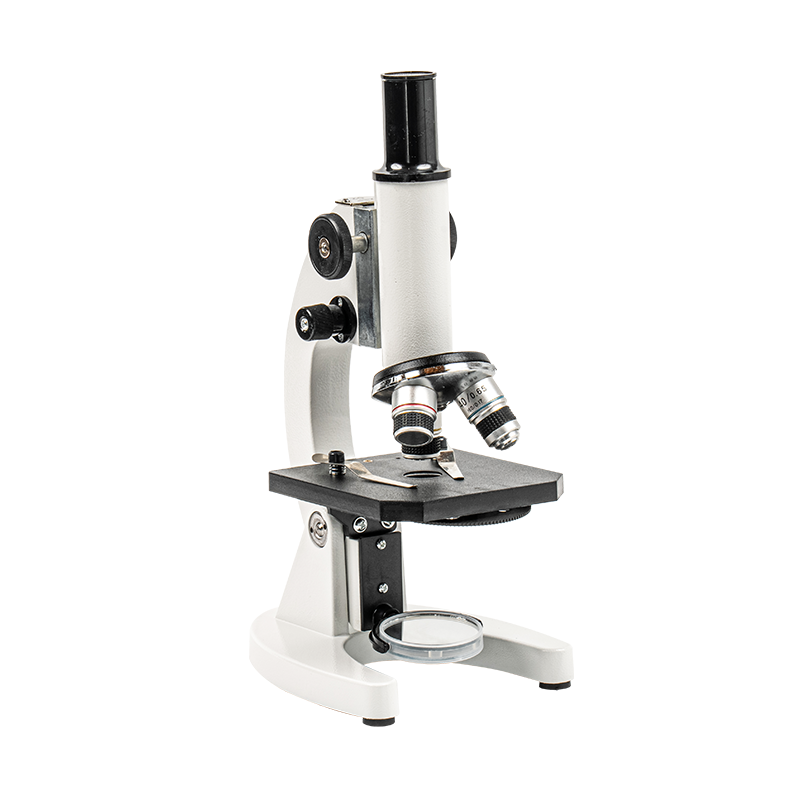
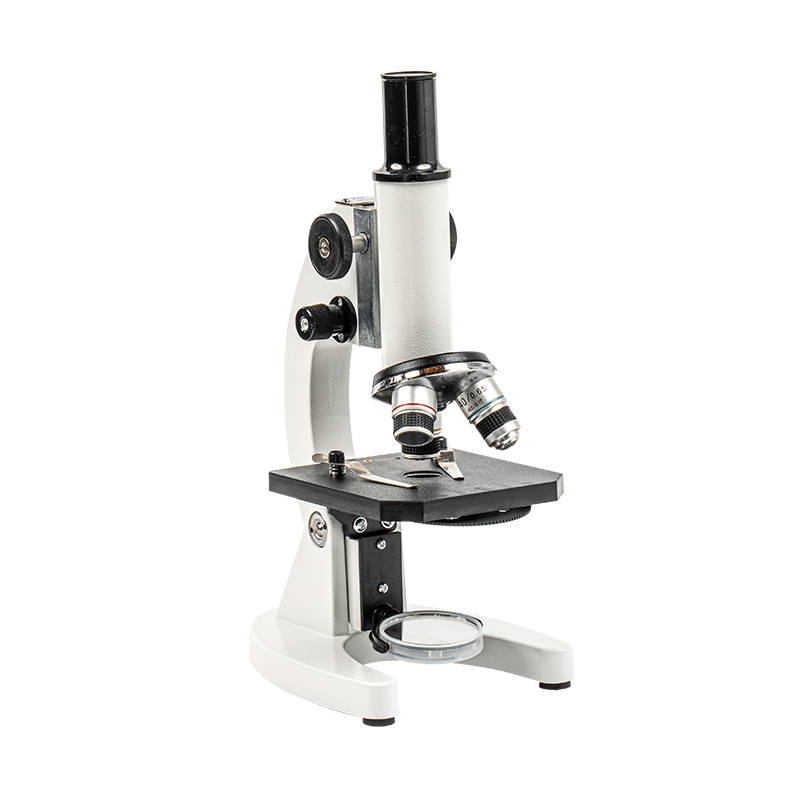
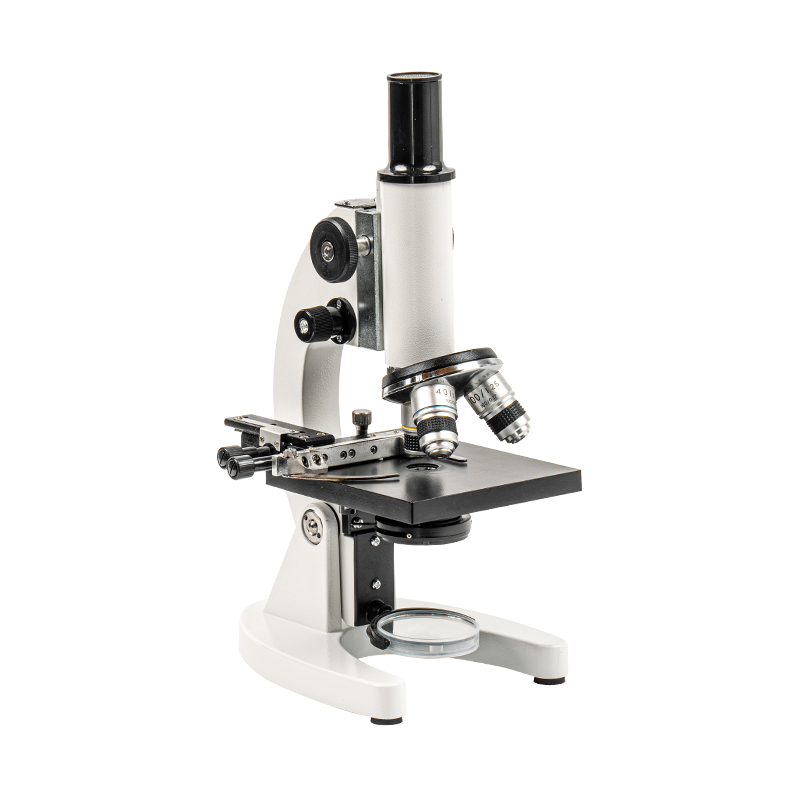
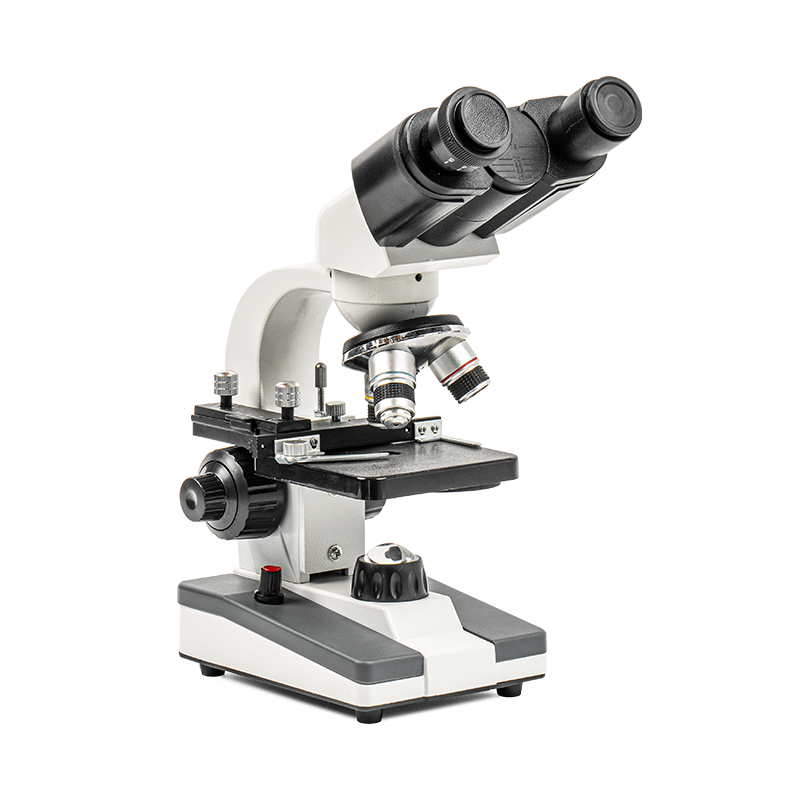
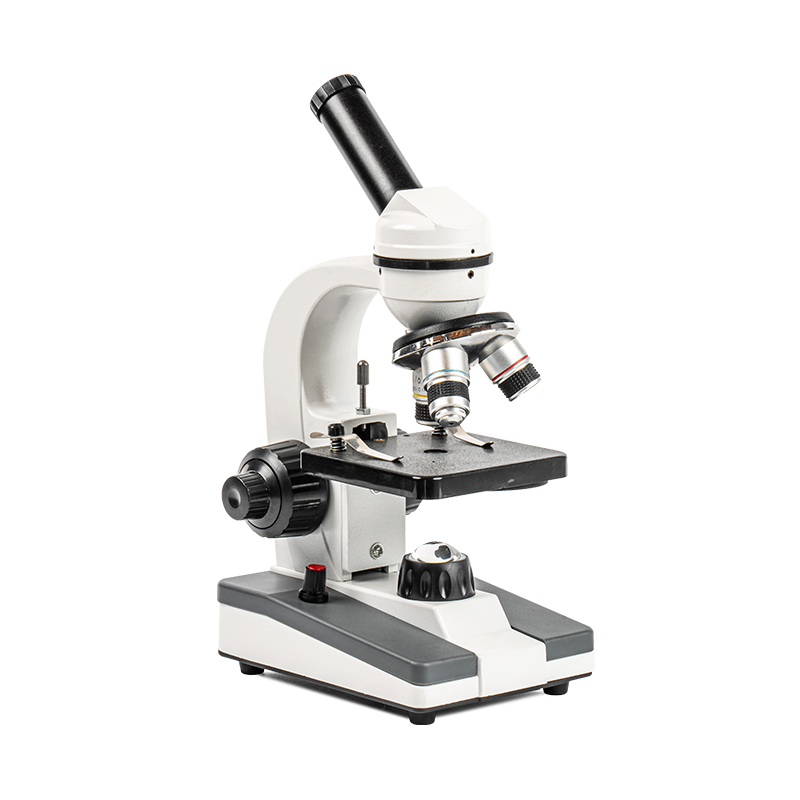
In the past, microscopes were considered expensive and cumbersome tools, limiting their availability to well-funded schools or advanced research laboratories. However, with advances in technology, student microscopes have become much more affordable and accessible. Schools can now provide students with high-quality microscopes that fit within their budgets.
Moreover, many microscopes are designed with ease of use in mind. Student microscopes are often lightweight, durable, and user-friendly, making them ideal for classroom settings. Some models come equipped with built-in LED lighting and adjustable magnification levels, allowing students to explore a variety of samples with minimal effort.
The Role of Digital Microscopes
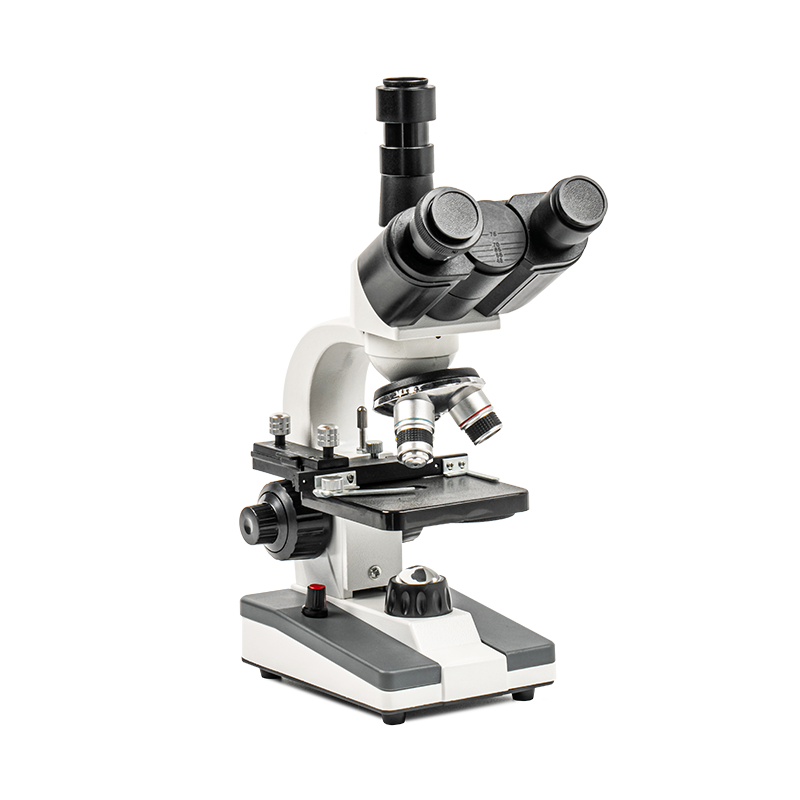
In addition to traditional optical microscopes, digital microscopes are increasingly being used in classrooms. These microscopes connect to computers or tablets, allowing students to view their specimens on a larger screen. Digital microscopes enhance the learning experience by making it easier for students to analyze and share their observations with others.
Digital microscopes also enable teachers to project images for the entire class to see, making it easier to discuss findings and encourage group discussions. This accessibility further enhances the role of microscopes in fostering collaboration and engagement in the classroom.